
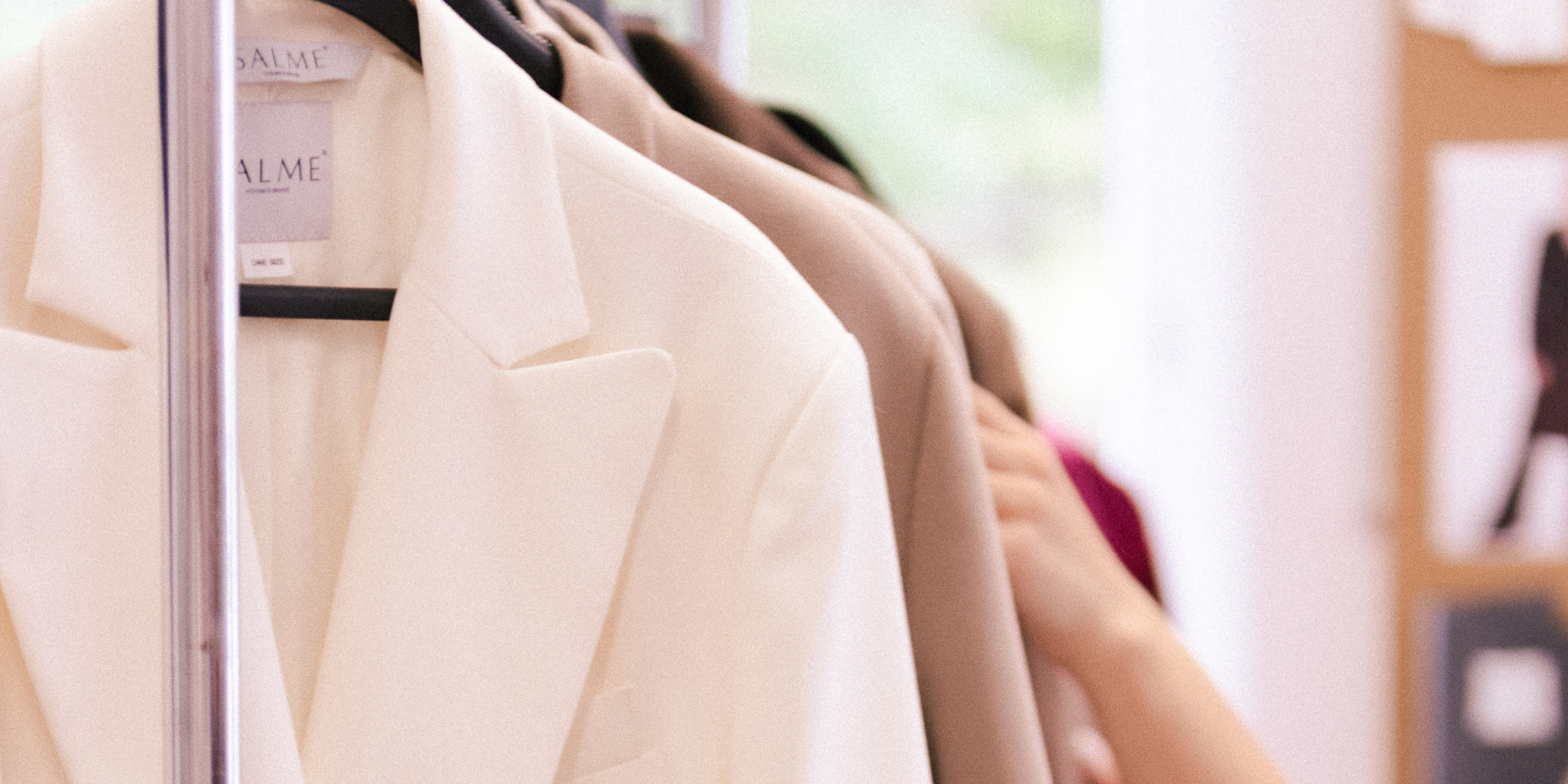
Can coats be dried in a dryer?
What materials can be dried in a dryer?
When considering whether coats are suitable for tumble drying , it's worth checking the manufacturer's label. Materials like cotton and polyester often tolerate tumble drying well. However, delicate fabrics like wool or cashmere can often shrink or warp. Therefore, it's worth checking the material specifications before making a decision. Some coats are made with a blend of acrylic and wool, which may require a gentler dryer setting.
Other materials, such as nylon, often perform well in the dryer, but only on a low setting. Coats made of leather, suede, or those with leather trim are absolutely contraindicated for tumble drying. When considering which fabrics are best for the dryer, it's worth keeping in mind the risk of color or texture loss.
What does the label say? The meaning of care symbols
Before you toss your coat in the dryer, check its label—it's a small piece of fabric that can save your favorite garment from disaster. You'll find symbols there that at first glance look like hieroglyphs, but deciphering them is truly crucial. If you see a square with a circle inside, it's the tumble dryer symbol. The dots inside indicate the temperature: one for delicate drying, two for standard, and a crossed-out symbol means no tumble drying. Labels aren't exaggeration on the part of the manufacturer, but a practical warning. A wool coat can shrink up to two sizes after tumble drying. A down coat can clump and lose all its fluffiness. Therefore, it's worth taking a moment to check this information. And if in doubt, it's better to dry your coat naturally than to regret experimenting with a dryer.
The risk of drying your coat in the dryer
Drying a coat in the dryer is a bit risky. Wool or a coat blended with natural fibers can look like a child's coat after just one cycle. Another danger is deformation – shoulders lose their shape, sleeves roll up. If you have a coat with a filling, such as down, the dryer can cause the down to clump – resulting in a shapeless lump of material instead of warm protection from the cold. Coats with a waterproof coating also have a difficult time – high temperatures can destroy their protective properties. So think carefully before tossing your coat into the drum.
What are the best dryer settings?
Choosing the right dryer settings is crucial for safely drying coats. A low temperature setting is the safest choice. This will protect the fabric from premature wear and tear and loss of shape. Options such as "gentle drying" or "for synthetic clothing" are recommended. These settings minimize the risk of shrinkage or pilling.
It's also worth paying attention to drying times. Shorter cycles are more beneficial for delicate fabrics. For coats containing mixed materials, a "cooling" function at the end of the cycle is a good choice. This helps maintain the fabric's structure and prevents stiffness. Always choose dryer settings based on the manufacturer's recommendations on the care label. Some modern dryers also offer special programs dedicated to drying coats, which is ideal for preserving their quality.
How to avoid damage to clothing?
To prevent fabrics from shrinking or pilling, it's worth following a few rules. First and foremost, always sort your clothes before drying. Separating heavier fabrics from delicate ones helps protect the fibers. It's also recommended to dry clothes inside out. This simple step can significantly reduce the risk of pilling. Special dryer balls, which help distribute heat evenly, are also helpful.
It's important not to overload your dryer. Too many clothes in one cycle can lead to uneven drying.
Regularly cleaning your dryer filter is the next step. A clogged filter can cause excessively high temperatures, which is harmful to delicate fibers. It's also important to choose the right dryer settings, as discussed in the previous sections. These simple steps will help ensure your coats last longer.
Alternative methods of drying coats
Drying coats in a dryer is n't always the best solution. For more delicate fabrics, consider alternative methods. One of the simplest is to lay the coat flat on a towel. This allows for even drying and minimizes the risk of warping. To speed up the process, you can gently roll the coat in a towel and squeeze out excess water. Make sure the coat is in a well-ventilated area.
Another method is to hang-dry the garment, which helps maintain its shape. However, be careful to avoid direct sunlight, which can cause colors to fade. If weather permits, drying outdoors in the shade is an excellent choice. These methods are not only gentler on the fabrics but also more environmentally friendly, which is a plus for conscious consumers.
What to do if your coat is damaged?
If your coat is damaged after drying, it's important to take appropriate action as soon as possible. The first step is to thoroughly examine the damage. Has the material shrunk or pilled? This will help determine what type of repair is possible. In the case of minor pilling, special fabric shavers can restore the coat's aesthetic appearance.
If the problem is more serious, it's worth consulting a professional tailor, who can suggest a repair or alteration. If the coat was damaged while tumble drying, you can also consider filing a claim. It's important to have your proof of purchase and check the warranty terms. However, before making a claim, make sure the coat is tumble-dry-safe according to the manufacturer's recommendations.
How to care for your coat to enjoy it for as long as possible?
Once the drying process is complete, it's crucial to maintain its appearance and functionality. The first step is to air it regularly to keep it fresh. Additionally, use protective covers to protect it from dust. Also, remember to clean it regularly according to the manufacturer's recommendations. Maintenance also includes checking parts like zippers and buttons. With these simple steps, your coat will last for many seasons, retaining its original appearance and quality.