
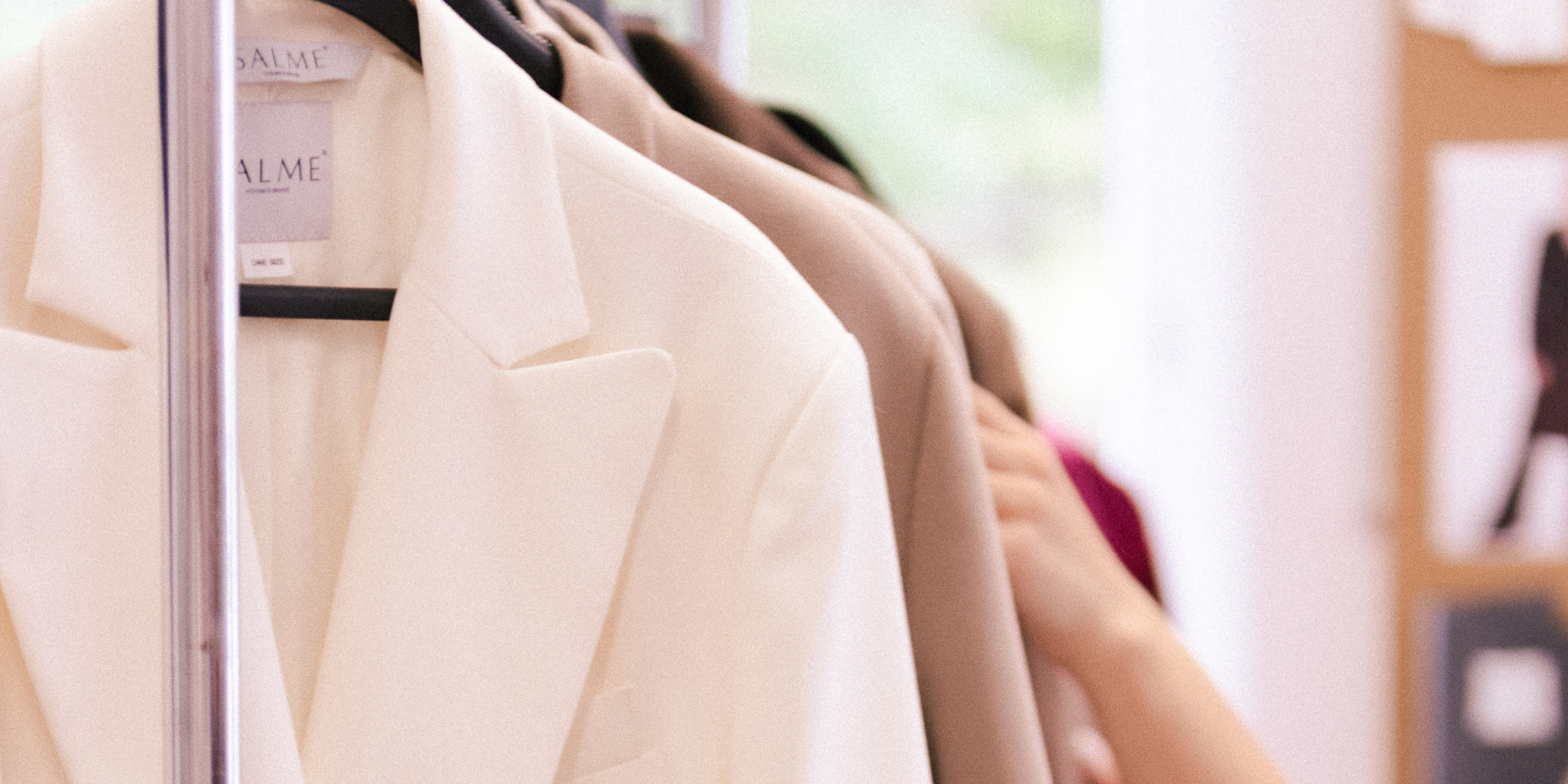
Winter coat - what material to choose?

Advantages of wool coats
Choosing When choosing a winter coat , it's worth considering the material it's made from. Wool is one of the best choices in terms of functionality and aesthetics. One of wool's main advantages is its ability to provide thermal insulation. Thanks to the natural properties of wool fibers, a coat made from this material provides excellent protection against the cold while allowing the skin to breathe, minimizing the risk of overheating.
The advantages of wool coats are:
- high durability - wool is durable and resistant to abrasion, which means the coat will last for many seasons,
- natural insulating properties - wool perfectly retains heat, protecting against frost and cold,
- moisture resistance - wool fibers can absorb moisture without feeling wet, which is a huge advantage on rainy days,
- elegance - coats made of wool look chic and timeless, making them an ideal choice for both everyday wear and special occasions.
It is therefore worth considering wool as the basic material for winter coat to enjoy its unique properties for many years.
Properties of cashmere coats
It's also worth paying attention to cashmere coats, which are highly regarded for their unique properties. Cashmere, a material derived from the wool of cashmere goats, is characterized by exceptional softness and delicacy. winter coat made of cashmere is a real pleasure, because this material is extremely skin-friendly.
The properties of cashmere make coats made of this material:
- soft - the delicacy of cashmere is a feature that is difficult to confuse with any other material,
- light - cashmere coats are surprisingly light and do not burden the wearer, which increases the comfort of wearing,
- luxurious - cashmere is synonymous with luxury and elegance, making a cashmere coat a unique addition to your wardrobe.
Thanks to these unique properties, cashmere is an excellent choice for winter coat , offering not only warmth and protection, but also incomparable comfort and style.
Are polyester coats good for winter?
How does polyester perform in winter? This is a question many people ask themselves when choosing A winter coat . Polyester is a popular material, primarily due to its low price and ease of care. As a budget-friendly alternative to wool or cashmere, polyester may seem like an attractive choice. An important aspect is its ability to retain heat. Winter coat made of polyester with appropriate insulation can offer satisfactory protection against cold, although it will not be as effective as natural materials in terms of insulation.
Polyesters have their own advantages: they are lightweight, moisture-resistant, and quick-drying. These characteristics make them winter coat Polyester can be a practical choice, especially for those who value functionality and affordability. However, if maximum thermal comfort and elegance are priorities, it's worth considering other materials. In summary, winter coat Polyester, although slightly less effective in terms of warmth than wool or cashmere, can be a very practical and economical solution for cold days.
Coats made of mixed materials - what is worth knowing?
Choosing When choosing a winter coat , it's also worth considering options made from a blend of materials, such as wool and polyester. This combination can offer many benefits, combining the advantages of both materials. Wool still provides natural thermal insulation and breathability, while polyester adds durability, moisture resistance, and ease of care.
Winter coat from a mixture of materials offers:
- better durability - the addition of polyester makes the coat less susceptible to abrasion and mechanical damage,
- increased comfort - wool provides warmth and breathability, and polyester reduces the weight of the coat, which increases wearing comfort,
- moisture resistance - polyester, combined with wool, helps to cope better with moisture, which is important on winter, rainy days,
- easier care - this kind winter coat It is usually easier to clean and less prone to pilling due to the presence of synthetic fibers.
Thanks to these advantages, a coat made of a mixture of materials can be an ideal compromise between functionality, comfort and aesthetics, providing both good protection against the cold and practicality in everyday use.
Eco-friendly materials for winter coats
More and more people pay attention to ecological materials when choosing A winter coat . Sustainable fashion isn't just a passing fad, but also a response to the need to protect our environment. Recycled polyester, made from recycled plastic bottles, is worth considering. This process reduces waste and petroleum consumption, which has a positive impact on the environment. A coat made of recycled polyester retains its properties, such as lightness, moisture resistance, and ease of care, providing a suitable alternative to traditional materials. Furthermore, organic cotton is another great choice for those who value eco-friendly materials.
Unlike conventional cotton, organic cotton is grown without the use of harmful pesticides and chemicals, protecting the soil, water, and farmers' health. A winter coat made of organic cotton provides comfort thanks to its natural breathability and soft, skin-friendly fibers. It's worth remembering that choosing a coat made from eco-friendly materials not only supports our health but also promotes sustainable development and environmental protection. Therefore, considering options like recycled polyester or organic cotton can be a step towards a more conscious and responsible winter coat choice.
Are down coats a good choice for winter?
Are down coats a good choice for winter? This is a question many people ask themselves when searching for the perfect A winter coat . Down coats are valued for their excellent insulating properties, thanks to natural goose or duck down, which retains heat and provides exceptional thermal comfort on frosty days. The down layer creates a barrier against the cold while allowing the skin to breathe, making them indispensable in the most demanding conditions.
However, they also have their drawbacks. The most important of these is the difficulty of care. Winter coat Down-filled coats require specialized cleaning to maintain their warmth and prevent damage to the delicate down fibers. Furthermore, these coats are more susceptible to moisture, so additional protective layers may be necessary. Despite these drawbacks, a down coat remains one of the best winter choices for those who value warmth and comfort on cold days. However, when choosing such a coat, it's worth investing in a high-quality model and proper maintenance to enjoy its properties for years to come.
How to care for a winter coat so that it lasts for many years?
To winter coat To ensure it lasts for many years, proper care is essential. First and foremost, pay attention to the labels and manufacturer's washing instructions. It's best to dry clean a wool coat to avoid deformation and loss of insulating properties. Polyester coats can be machine washed on a delicate cycle using appropriate detergents. Down coats require special care – it's recommended to wash them at a low temperature using specialized detergents and then tumble dry them with tennis balls to maintain the down's fluffiness.
Storing your coat after the winter season is equally important. Wool and cashmere coats are best stored in airy covers, avoiding high humidity areas. Avoid pressing coats, which can cause permanent creases. Regular coat care also includes removing superficial dirt with a brush or damp cloth. Regardless of the material, it's worth having a professional restoration done every few years to refresh the coat's appearance and properties. Attention to detail and proper maintenance are key to the longevity and durability of your favorite coat. winter coat .
How to choose a winter coat?
Choosing When choosing a winter coat , you should consider several key factors to make the best choice. First and foremost, it's worth paying attention to the material the coat is made from. Wool, cashmere, polyester, or blends of materials have their own unique advantages that can impact the coat's comfort and durability. Choosing the right size and cut that complements your figure is also crucial – a coat that's too tight can be uncomfortable, while one that's too loose won't provide adequate protection against the cold.
The style of your coat should reflect your preferences and complement your wardrobe. Classic styles, such as a trench coat or double-breasted coat, are timeless and versatile, while modern styles can add a fresh touch to your look. Don't forget your budget either – a good buying guide will help you find a coat that combines quality with affordability. Ultimately, your choice of winter coat depends on your individual needs and lifestyle, so it's worth considering your priorities to ensure that investing in a new coat brings you complete satisfaction for many winter seasons to come.